
Why the Right Starlink Mounts Matter for New Zealand Homes and Vehicles

Starlink mounts are the physical hardware used to secure your Starlink satellite dish to a roof, wall, pole, vehicle, or other surface for optimal signal reception.
Here are the main types available in New Zealand:
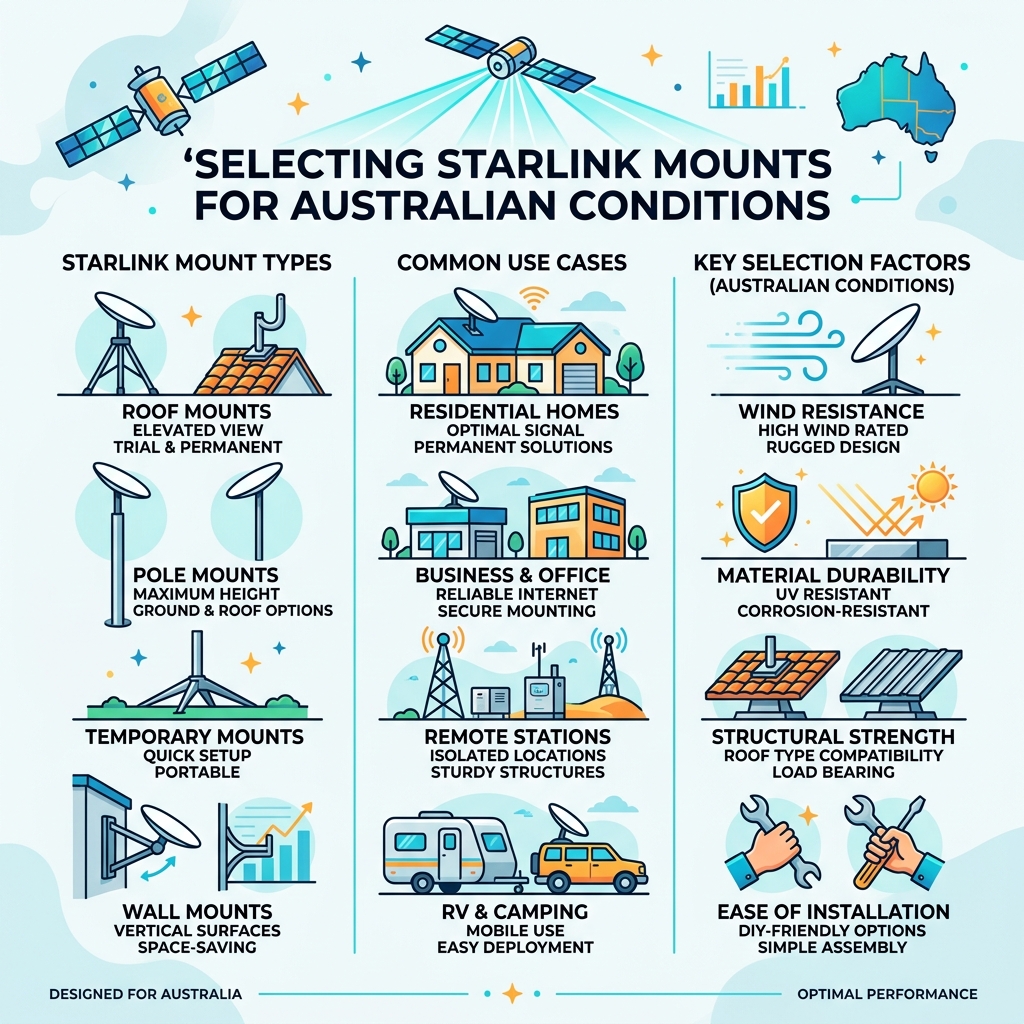
- Wall mounts - attach to exterior walls or fascia, ideal for homes with roof overhangs
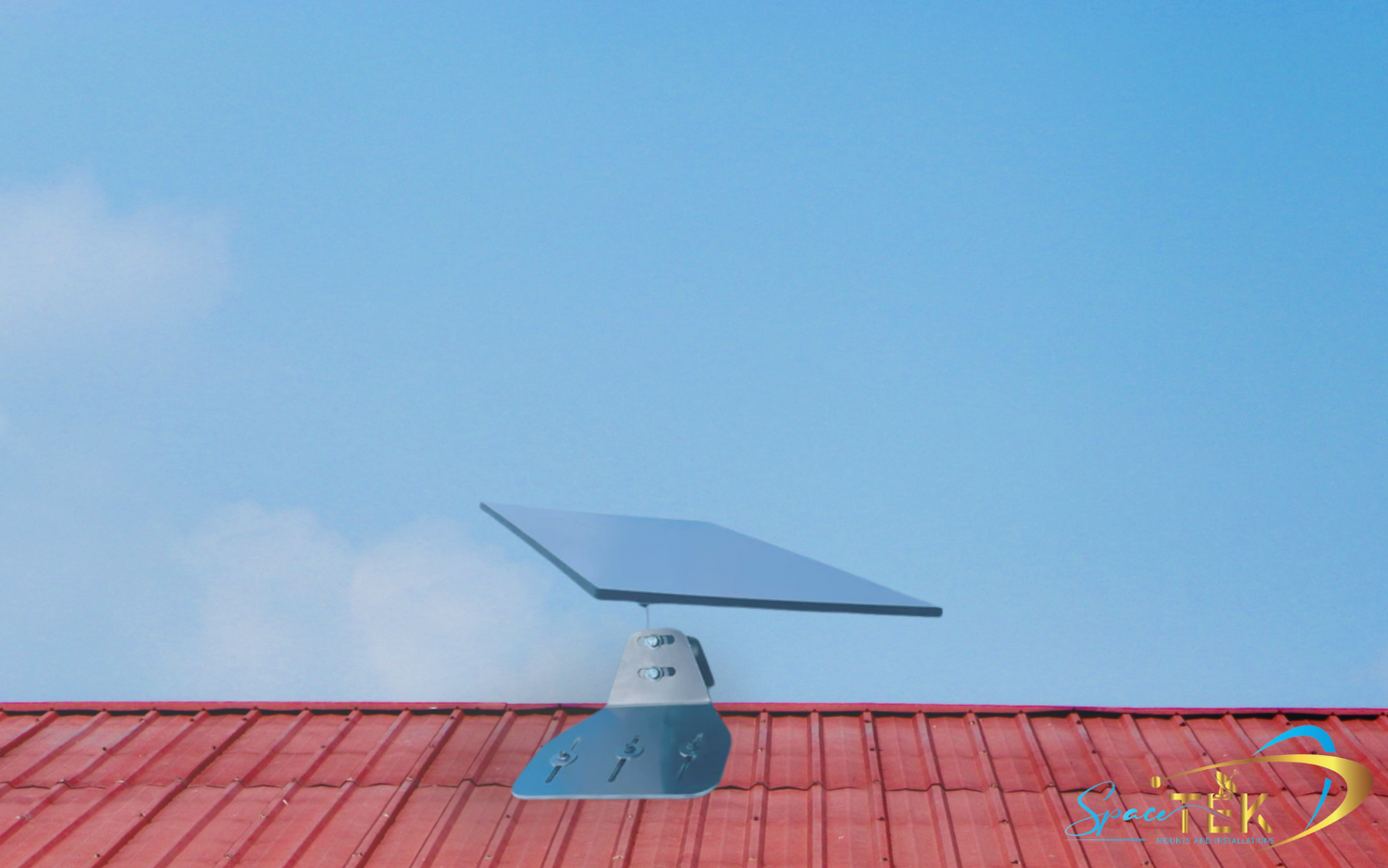
- Roof mounts - fixed directly to roofing surfaces, including pivot and flashing options for slanted or tiled roofs
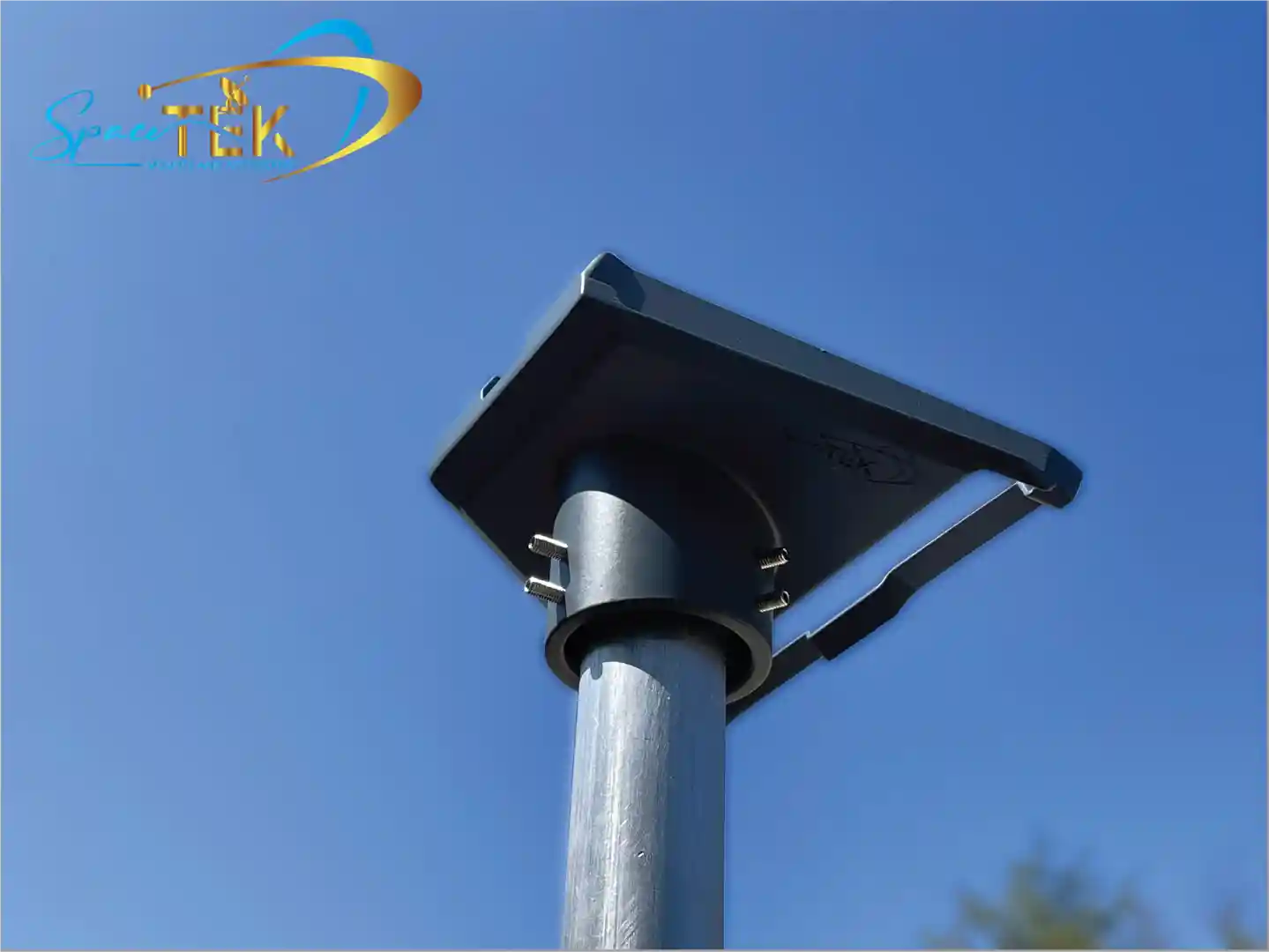
- Pole mounts - elevate the dish on a standalone post for ground or elevated installs
- Non-penetrating mounts - use ballast weights instead of drilling, such as ridgeline-style mounts
- Vehicle and RV mounts - designed for caravans, 4WDs, and boats, including in-motion options
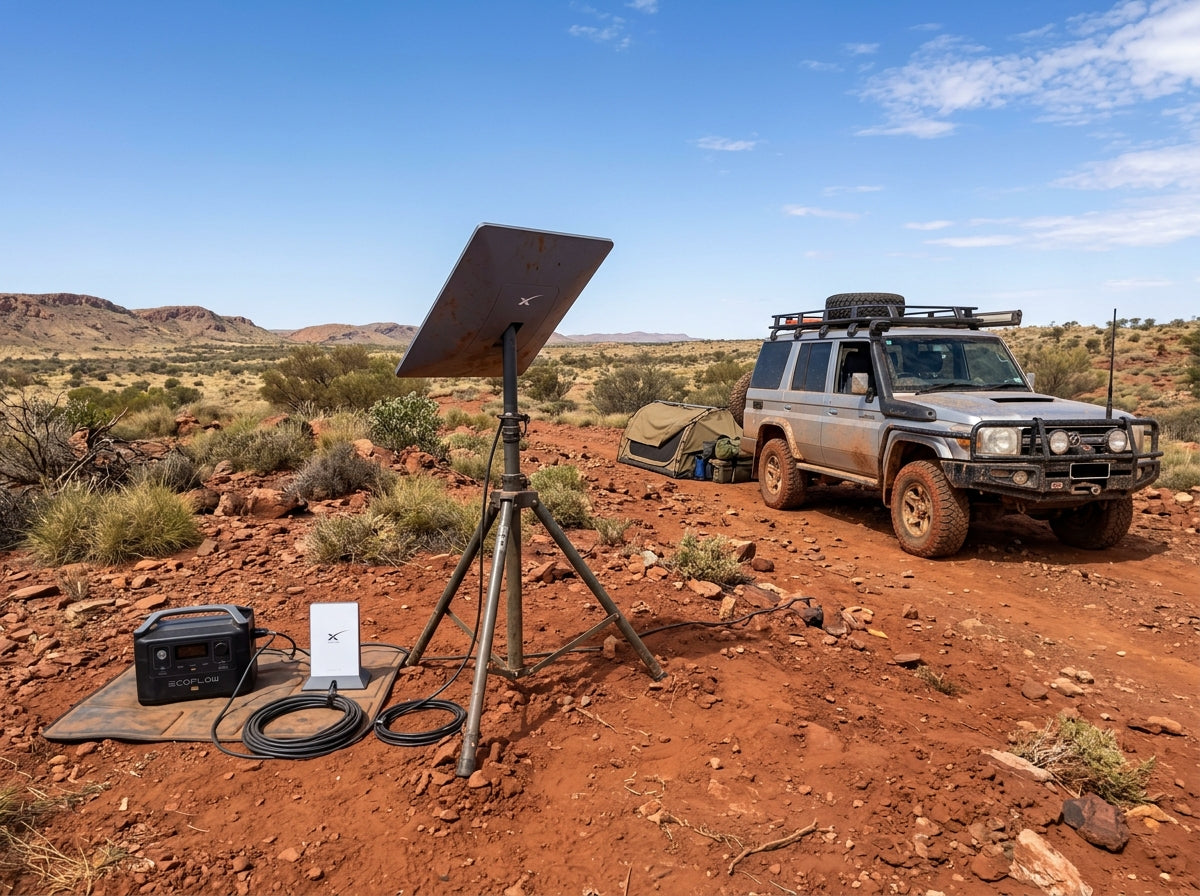
- Portable and tripod mounts - lightweight setups for camping and temporary use
Getting online with Starlink is simple. The standard kit includes a basic kickstand for initial testing, but a permanent setup requires more robust hardware.
For most New Zealand homes, vehicles, and remote worksites, you need a purpose-built mount. These solutions must handle coastal salt air, intense UV radiation, strong winds, and the wide variety of roof styles found across the country.
A reliable connection starts with a secure, well-positioned dish. One user in New South Wales reported that Starlink resolved years of connectivity issues once the hardware was properly mounted. Without the right mount, even the best satellite hardware can underperform.
Handy Starlink mounts terms:
- Gen 2 vs. Gen 3: What Mount Upgraders Need to Know
- Starlink Gen 3 Accessories
- Waterproof Bulkhead RJ45 Socket Connector
Choosing the Best Starlink Mounts for Your Setup
Selecting the right hardware involves more than finding a flat spot. In New Zealand, architectural styles and environmental extremes vary significantly. Whether you are mounting to a corrugated iron roof, a modern tiled home, or a 4WD heading into the Simpson Desert, your mount must be durable.
When evaluating Starlink mounts, consider these three primary factors:
- Obstruction Clearance: The dish requires a clear look angle to the sky. Research indicates that even minor obstructions like tree branches or roof peaks can cause service drops. Taller masts help avoid these issues.
- Mounting Surface: Options include drilling into a timber fascia, clamping to a roof rack, or using a non-penetrating ridgeline mount to avoid making holes.
- Wind Ratings: Standard ridgeline mounts are often rated for winds up to 80 kph. However, in many parts of New Zealand, wind gusts exceed this. High-performance mounts using galvanised steel or heavy-duty aluminium offer superior stability.
Residential Starlink Mounts for Permanent Installation
For a permanent home setup, the goal is a maintenance-free installation. You need a mount that resists rust and remains stable during summer storms.
- Wall Mounts: These are excellent for homes with eaves. A long wall mount provides up to 30cm of clearance, allowing the dish to see over the gutter line. Short wall mounts are better for direct fascia attachment where overhangs are minimal.
- Pivot and Flashing Mounts: For tiled or metal roofs, a pivot mount allows for perfect angle adjustment. When paired with a flashing mount, you ensure a water-tight seal that protects the roof's integrity.
- Roof Protection: Many Australians question if Starlink roof brackets are a friend or foe to your roof. When installed correctly with sealant tape and proper lag screws, they are safe. Choosing between a wall, eave, or pole mount depends on your house orientation.
Versatile Starlink Mounts for Gen 3 and Mini Models
The Starlink Gen 3 (V4) and Starlink Mini have updated mounting requirements. The Gen 3 dish is larger and lacks an internal motor, relying on a fixed kickstand or manual adjustment mount.
We have developed specific Gen 3 Starlink mounts built for New Zealand winds. These use custom-machined aluminium to ensure the larger surface area of the Gen 3 dish remains secure. For the Starlink Mini, portability is essential. Many users prefer pole options for the Starlink Mini to elevate it above campsite obstructions.
Mobile Solutions for RVs and Caravans
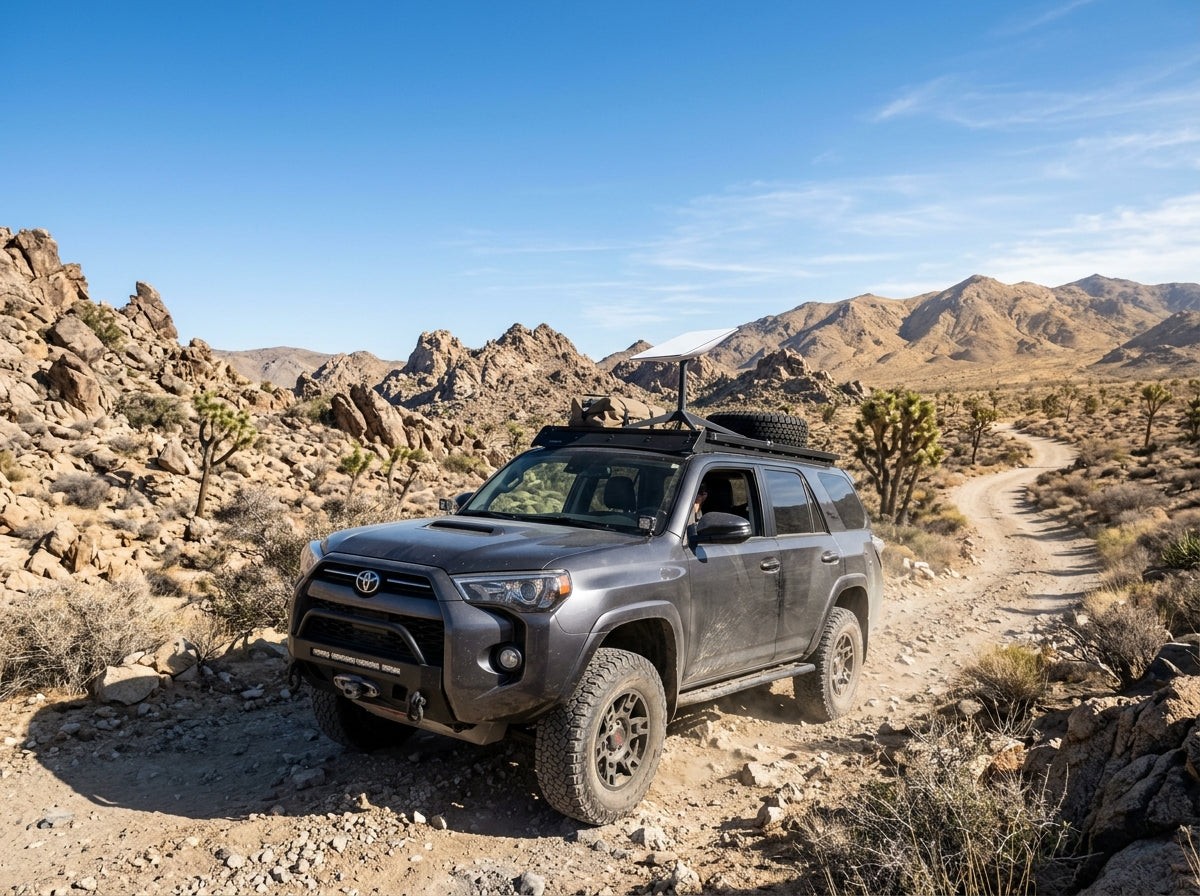
For travellers and off-roaders, Starlink mounts must handle constant vibration and high-speed wind resistance.

- In-Motion Mounts: An 8-degree tilt is often recommended for vehicle use to minimise drag. Aerodynamic flat mounts allow the dish to stay attached while driving, providing a seamless connection.
- Roof Rack Integration: Most New Zealand adventurers use platforms like Rhino-Rack. We offer M8 stainless steel slot nuts and specialised brackets to bolt your Starlink directly to the rack.
- Magnetic and Suction Options: For temporary setups, heavy-duty magnets provide a stable, no-drill solution.
For more details, see our Starlink mount for caravan, van, or RV complete installation guide or learn about choosing your Starlink vehicle mount.
Starlink Gen 3 Roof Rack Mobility Mount: What You Need to Know
The Starlink Gen 3 Roof Rack Mobility Mount is a specialized solution designed for users who require high-speed internet while on the move or in rugged environments. Unlike standard residential mounts, these are engineered to withstand the mechanical stresses of off-road travel and highway speeds.
Definition and Purpose
A mobility mount is a fixed or semi-fixed housing that secures the Gen 3 (V4) dish to a vehicle's roof rack. Its primary purpose is to provide a stable platform that maintains a consistent "look angle" to the satellite constellation, even when the vehicle is in motion or parked on uneven terrain.
Benefits of Mobility Mounts
- In-Motion Connectivity: Allows for continuous internet access while driving, which is vital for emergency services, fleet management, and keeping the kids entertained on long hauls.
- Stability: Custom-machined aluminium frames prevent the dish from flexing or vibrating, which can cause signal jitter.
- Low-Profile Install: By mounting the dish flat or at a slight angle (typically 8 degrees), you reduce the vehicle's total height and minimize the risk of hitting low-hanging branches or garage entries.
Key Features
- Aerodynamic Design: Shaped to reduce wind lift and drag, ensuring the mount stays silent and secure at 110 kph.
- Vibration Resistance: Uses specialized hardware and dampening materials to protect the sensitive internal electronics of the Starlink dish from corrugated outback roads.
- Weatherproof Construction: Built from 5052-grade aluminium or 316 stainless steel to resist the harsh New Zealand sun and tropical rains.
Product Highlights
For those looking for the ultimate mobile setup, we recommend the following:
- Starlink Mini In-Motion Mount: A compact, rugged housing designed specifically for the Mini's smaller footprint.
- V-Cell IP68 Rugged Housing: The gold standard for mining and industrial applications, providing total dust and water protection.
- Starlink Mini Road Bundle: A complete kit including the mount, DC power cables, and all necessary hardware for a 12V vehicle setup.
Installation and Maintenance for New Zealand Conditions
Installing your own Starlink mounts is a practical DIY project that requires the right tools and attention to detail.
The DIY Checklist
- Use the App: Before drilling, use the Starlink app to check for obstructions. Even a single tree can significantly impact speeds.
- Seal Everything: New Zealand rain can be intense. Use the sealant tape and silicone provided in our kits to ensure every screw hole is waterproof.
- Cable Management: Use cable clips every 30-50cm to prevent the wind from whipping the cable, which can lead to internal wire failure. See our guide on avoiding DIY Starlink mounting mistakes for more tips.
Maintenance Tips
- Check for Corrosion: If you live near the ocean, salt spray is a factor. Periodically rinse your mount with fresh water.
- Tighten Bolts: Extreme temperature fluctuations can cause hardware to expand and contract. Check your bolts once a year.
- Clear Debris: Ensure no leaves or nests block the dish's view. For more details, see our guide on Starlink mount maintenance.
Key Factors for Durability and Performance
Material choice is critical for longevity. While some mass-produced sellers use cheap plastics or thin steel, we focus on materials that survive the New Zealand climate.
- Aluminium Construction: We use high-grade aluminium because it is lightweight and naturally rust-resistant.
- Coastal Resistance: Starlink for coastal homes presents unique challenges. Salt air can corrode standard steel quickly. We recommend stainless steel hardware and powder-coated aluminium.
- UV Stability: Plastic mounts can become brittle and crack under the New Zealand sun. Metal mounts are the superior choice for longevity.
Comparison of Mounting Options
Roof Rack Mounts provide the highest stability for permanent RV or 4WD setups. They are bolted for high security and allow for in-motion use, though installation takes about an hour. Portable Tripods are best for temporary camping, taking only minutes to set up, but offer lower security and cannot be used while driving. Magnetic Mounts offer a middle ground for temporary vehicle use, featuring a 30-second installation time and moderate security, though they are generally not rated for in-motion connectivity.
Frequently Asked Questions About Mounting
What are SpaceTek Starlink mounts compatible with?
SpaceTek Starlink mounts are compatible with Starlink Mini, Gen 2, and Gen 3 V4 models. Designed and manufactured in New Zealand, these mounts are precision-engineered to withstand local weather conditions. They support various installation types, including residential roofs like corrugated iron or tiles, as well as mobile setups for caravans and 4WD vehicles.
Can I install SpaceTek Starlink mounts myself?
Most SpaceTek mounting solutions are designed for straightforward DIY installation, aligning perfectly with Starlink self-install kits. Whether you are securing a dish to a home fascia, a vehicle roof rack, or a boat, our kits provide all necessary hardware and clear instructions to ensure a professional and secure result.
Why choose SpaceTek over standard mounts?
SpaceTek mounts are custom-machined from high-grade aluminium, offering a lightweight and rust-resistant alternative to standard plastic or steel options. Our designs are specifically hardened for the New Zealand climate, focusing on UV stability and resistance to coastal salt air, ensuring your hardware lasts significantly longer in harsh environments.
Do SpaceTek mounts work in extreme New Zealand weather?
Every SpaceTek mount undergoes rigorous field testing to ensure performance in extreme New Zealand environments. From the intense heat of the Pilbara to the high winds of the Southern Ocean, our hardware is built to maintain a stable connection, protecting your satellite dish from vibration, heavy rain, and gale-force winds.
Which mount should I choose for my setup?
Selecting the right mount depends on your Starlink model and whether you require a permanent or mobile installation. SpaceTek provides specialised options for the Mini, Gen 2, and Gen 3 V4 dishes. For those unsure which bracket suits their specific roof type or vehicle setup, our expert team provides tailored advice.
Conclusion and Next Steps
Securing your connection in New Zealand requires hardware that is as tough as the landscape. Whether you are setting up a permanent home office in the suburbs or taking your Starlink Mini across the Nullarbor, the right Starlink mounts make all the difference.
At SpaceTek New Zealand, we provide custom-engineered solutions that are field-tested in our own backyard. From rust-resistant aluminium to vibration-dampened vehicle mounts, our gear is built to perform.
Ready to optimise your setup?
- Explore our Starlink generations and accessories guide.
- Shop our full range of Gen 3 V4 mounts.
- Check out the Starlink Mini collection for portable power and mounting.
Secure your signal and enjoy the freedom of high-speed internet anywhere in New Zealand. Browse our shop today or contact us for expert advice on your specific installation needs.

Leave a comment
This site is protected by hCaptcha and the hCaptcha Privacy Policy and Terms of Service apply.