
Why Staying Connected on the Road Matters More Than Ever

Starlink RV in Australia delivers high-speed satellite internet to travellers exploring remote areas where traditional connectivity fails. Here's what you need to know:
- Plans: Starlink Roam plans start at $80/month for 50GB or $195/month for unlimited data, designed specifically for mobile use
- Performance: Expect speeds consistently above 100-120 Mbps with low latency, even in remote locations
- Power: Runs on 12V DC systems (ideal for off-grid) or 240V inverters, with Sleep Mode to reduce consumption
- Mounting: Requires clear southern sky view; use rust-resistant, vibration-resistant mounts for Australian conditions
Travelling across Australia's vast landscapes shouldn't mean losing touch with the world. Whether you're working remotely from a caravan park in the Kimberley or video calling family from a beach near Esperance, reliable internet transforms how you experience life on the road.
The challenge? Traditional mobile networks fade fast once you leave major highways. Satellite internet changes that equation completely.
Starlink uses low-earth orbit satellites to beam high-speed internet directly to your dish, no matter where you've parked up. It's built for movement, designed for weather extremes, and increasingly popular with grey nomads and remote workers alike.
But getting it right for RV use in Australia requires understanding the plans, managing power consumption, and choosing mounts that handle our unique conditions. I'm Aaron Wroblewski, founder of SpaceTek Australia, with over 25 years of experience in remote communications and satellite systems, including extensive work helping travellers optimise their Starlink RV Australia setups. This guide breaks down everything you need to make Starlink work reliably on your Australian adventures.
Real-World Performance: Speed, Reliability, and Weather
So, how does Starlink RV in Australia actually perform out in the real world? In our experience, and based on feedback from countless Australian travellers, the performance is generally excellent. We've consistently seen speeds above 120mbps, even with the Roam plan's lower priority compared to residential services. This means we can easily stream our favourite shows, make clear video calls, and work remotely without a hitch. The low latency, a hallmark of Starlink's low-earth orbit satellite technology, makes a massive difference for activities like online gaming or responsive web browsing.
However, it's not without its considerations. The biggest challenge for Starlink's reliability is obstructions. The dish needs a clear, unobstructed view of the sky, particularly the southern sky in Australia. Trees are the main culprits here, and even a few branches can cause brief dropouts. This is why careful placement and mounting are so important. We always recommend using the Starlink app to check for obstructions before setting up.
What about Australia's often harsh weather? Starlink is surprisingly robust. It's designed to be weather-resilient, handling rain, sleet, and even strong winds. While extreme weather, especially heavy rain, can cause brief service dropouts, these are typically short-lived. We've found that for the vast majority of our travels, the internet connection remains stable. For tips on optimising your setup, check out our guide on Starlink performance tips.
Choosing Accessories for Your Starlink Kit
For travellers using Starlink RV in Australia, the right accessories are key to a reliable setup. Whether you have the standard Starlink dish or the newer, compact Starlink Mini, SpaceTek offers solutions to optimise your experience.
The Starlink Mini, in particular, is designed for portability with its smaller size and lower power consumption. This makes it a fantastic option for travellers, but it also requires specific mounting solutions to ensure stability and a clear view of the sky. Its compact form factor opens up new possibilities for mounting on roof racks, poles, or even with suction cups.
We design and manufacture mounts for all Starlink hardware versions. To see how to best mount the portable Mini, check our guide: The Starlink Mini is built for portability, but how should you mount it?. If you're keen to learn more about this game-changing device, read our article Starlink Mini in Australia.
Your Essential Guide to Setup, Accessories, and Support
Powering Your Dishy Off-Grid in the Aussie Bush
One of the biggest problems for off-grid travellers using Starlink RV in Australia is power consumption. The standard Starlink kit and its router, when powered via a conventional 240V inverter, can draw a fair bit of juice. This can quickly drain smaller battery and solar systems.
Thankfully, there are several ways to manage this. Starlink has introduced a "Sleep mode" feature, which significantly reduces power usage overnight or when you're away from your RV. This is a simple yet effective way to conserve power.
For those looking for more efficiency, aftermarket solutions are a game-changer. A 12V Integration Kit, for example, uses less power compared to a 240V inverter setup powering the Dishy and the Starlink router. This allows us to stay off-grid for longer. Some aftermarket solutions are even reported to reduce power usage by up to 40%. The Starlink Mini, with its lower power consumption and direct DC input, is also a fantastic option for off-grid living. We dig into this topic further in Powering Starlink directly from DC and How to power your dishy for off-grid use.
Beyond dedicated power kits, optimising our overall battery and solar systems is crucial. Investing in robust batteries and sufficient solar panel capacity ensures we have the energy reserves needed to power our Starlink and other essentials.
Best Mounting Practices for Starlink RV in Australia
Getting your Starlink dish mounted correctly is paramount for optimal performance and durability, especially when travelling Australia's diverse terrains and facing its unique weather conditions. A clear view of the sky is non-negotiable, and the dish needs to be stable, even in windy conditions.
We generally advise against permanently mounting the standard Starlink dish directly to the roof of an RV or caravan. While it might seem convenient, trees are everywhere in Australia, and a permanently fixed dish can lead to frequent signal obstructions and frustrating dropouts. Instead, we recommend flexible, portable solutions that allow you to move the dish to the clearest spot.
Here are some popular mounting options for Starlink RV Australia:
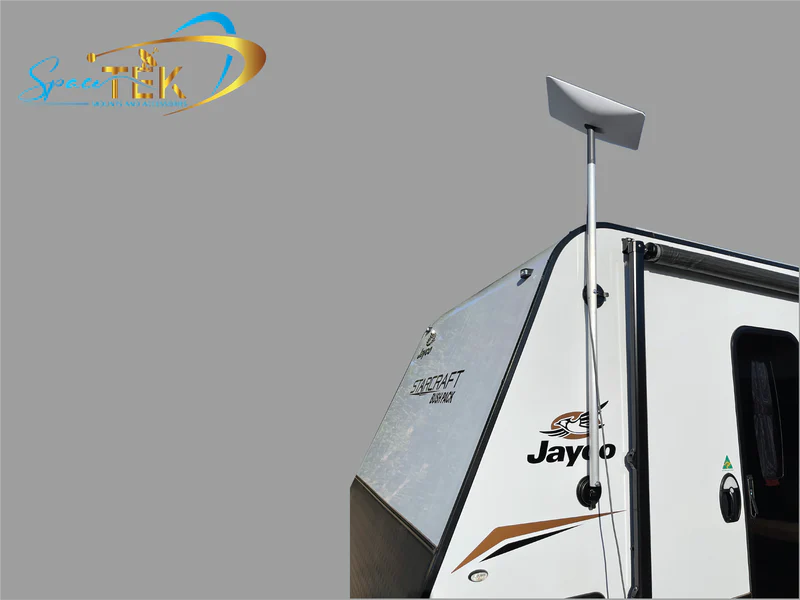
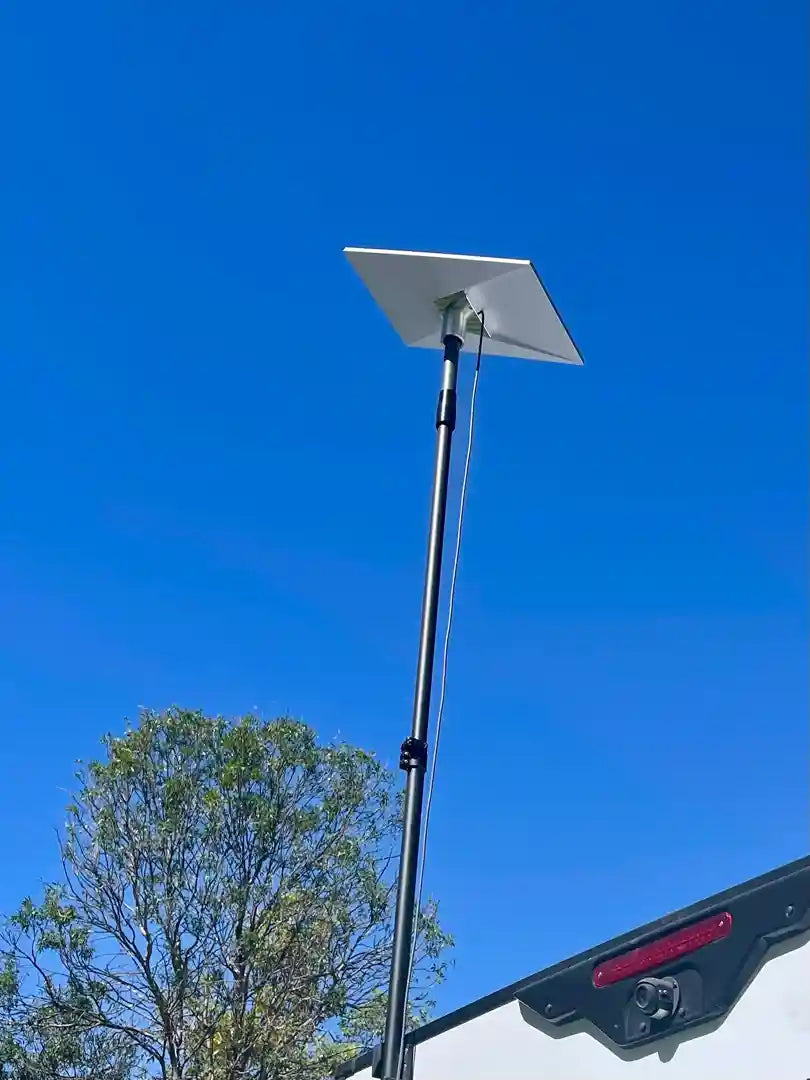
- Pole Mounts: These are highly versatile, allowing you to lift your dish above minor obstructions like small bushes or other vehicles. Many travellers use telescopic poles that can be secured to the drawbar or a jockey wheel clamp. We offer a range of pole mounts, including the Carbon Fibre Telescopic RV Mount for Starlink Gen 3 V4.
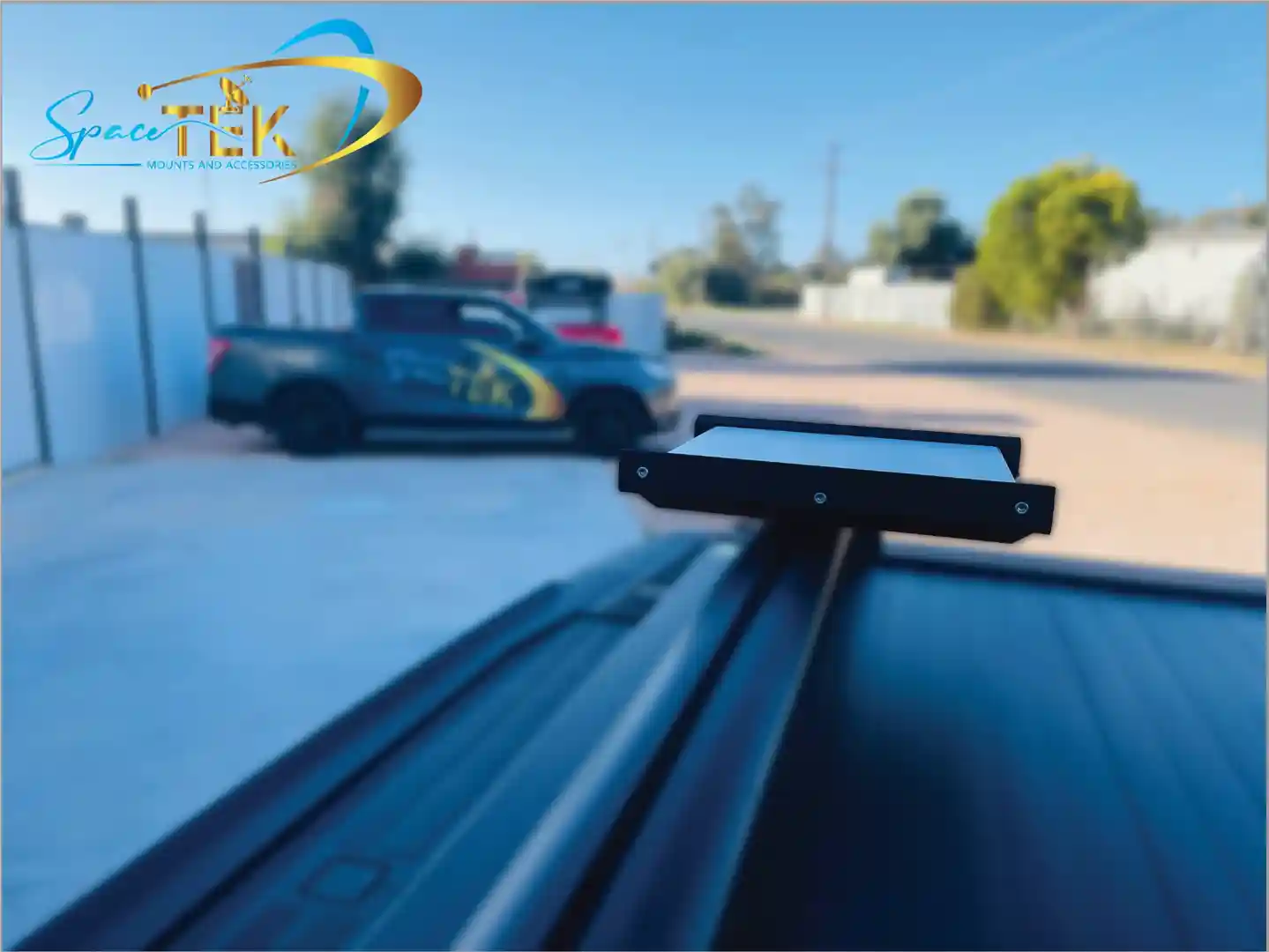
- Roof Rack Mounts: For vehicles with existing roof racks, these provide a secure, liftd position. They're great for when you know you'll have a clear sky view, such as in open plains or coastal areas. Roof rack mounts designed for the compact Mini are also a popular choice.
- Suction Cup Mounts: These offer incredible flexibility, allowing you to temporarily attach your dish to any smooth, non-porous surface on your RV, like a window or side panel. They're easy to set up and reposition. Our RV suction cap mount is designed for this purpose.
When choosing a mount, always consider materials. Given Australia's harsh environment, rust-resistant materials like aluminium and stainless steel are essential for longevity. Our mounts are built with these conditions in mind, ensuring your Starlink remains secure and performs optimally. For a deeper dive into mounting solutions, explore our Starlink RV mounts guide and an overview of Portable vs. Fixed Starlink Mounts. You can explore our full range of mounting solutions on our Starlink Mounts page.
Finalising Your Setup and Getting Support
With your Starlink plan chosen, power sorted, and mounting strategy in place, you're almost ready to hit the road with reliable internet. Proper setup is key, and while Starlink kits are designed for self-installation, using the right accessories can make all the difference. This includes robust mounts, weatherproof connections, and efficient power solutions.
For cable management, especially with the standard Starlink cable, a cable reel can prevent tangling and damage. Protecting your equipment from the elements and ensuring it's securely stowed during travel will extend its life and maintain performance.
If you ever encounter issues, Starlink's support is primarily accessed through their app or website. For more detailed troubleshooting, you can always visit Starlink Support.
We believe in making high-speed internet accessible wherever your adventures take you in Australia. Our custom Starlink mounting kits and accessories are designed specifically for Australian conditions, built with high-quality, rust-resistant materials, and compatible with Starlink's self-installer kits. We ensure secure and optimal dish performance, giving you peace of mind on the road.

Whether you're exploring the remote outback or setting up camp by a quiet beach, staying connected is now easier than ever. If you have any questions about choosing the right mounts, power solutions, or any other aspect of your Starlink RV setup, our team at SpaceTek Australia is here to help. Get in touch with us for expert advice – we'd love to chat about your next adventure!

Leave a comment
This site is protected by hCaptcha and the hCaptcha Privacy Policy and Terms of Service apply.