
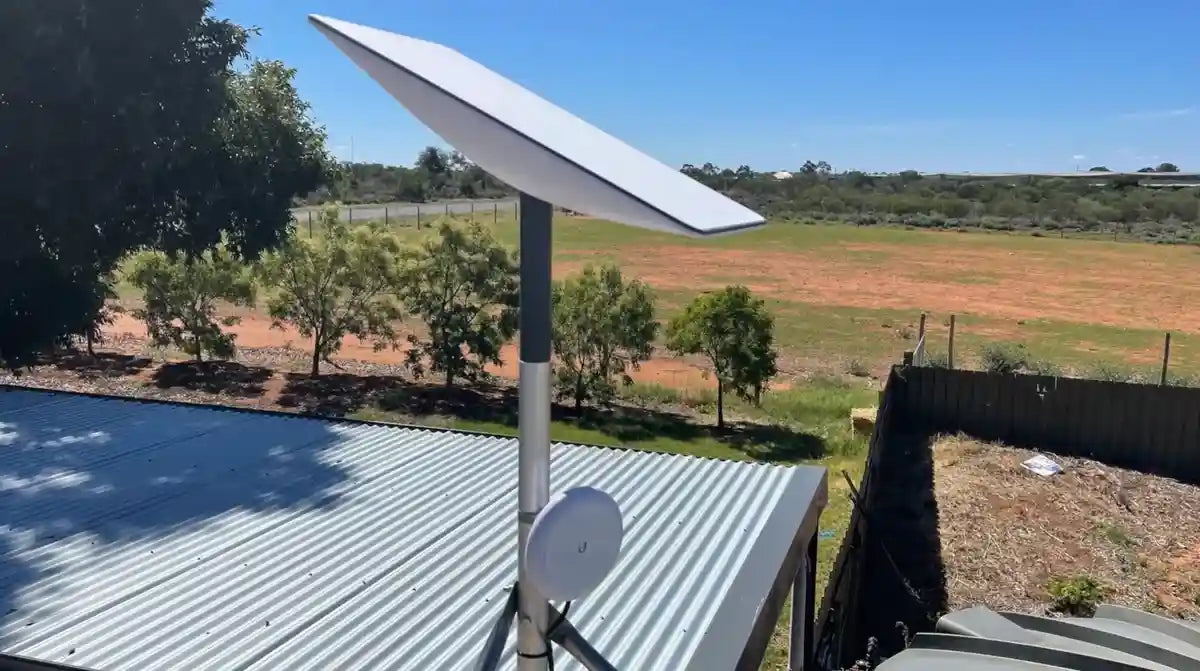
Why Off-Grid Internet Matters for Remote Australia
For many living and working in remote Australia, reliable internet is a constant challenge. When grid power is out of reach, a solar powered wifi router offers a powerful solution. This self-contained system combines a cellular router with solar panels and batteries, converting sunlight into 24/7 connectivity for farms, construction sites, and off-grid homes.
Quick Answer: Solar Powered WiFi Router Basics
- Light Use: 25-40W solar panel, 10,000mAh LiFePO4 battery, 4G Cat 4 router.
- Heavy Use: 100-200W solar panel, 40Ah+ LiFePO4 battery, 4G Cat 6 router with dual SIM.
- Key Features: IP66 weatherproofing, LTE Cat 4+ connectivity, dual SIM slots.
- Performance: 20-150 Mbps, depending on network coverage.
Modern systems are more efficient than ever, thanks to advanced LiFePO4 batteries that last longer and weigh less than older lead-acid types. They are no longer just backup options but primary internet sources for countless Australians.
With over 25 years of experience in remote communications at SpaceTek Australia, we've designed countless power solutions to keep Aussies connected in our harsh climate. Whether it's a 4G router or a satellite internet dish, the principles of reliable off-grid power are the same.
Your Guide to a Solar Powered WiFi Router System
A solar powered wifi router gives you the freedom to access the internet anywhere the sun shines. It's a self-sufficient power ecosystem that keeps you connected day and night, perfect for remote properties, caravans, or construction sites.
How Does a Solar Powered WiFi Router System Work?
The system's logic is simple and effective. Solar panels (from 25W for light use to 200W for heavy use) convert sunlight into DC electricity. This energy flows through a charge controller, which manages the power flow to prevent overcharging or deep draining of the battery. We recommend MPPT controllers as they are most efficient. The energy is stored in a battery, which powers the system overnight. Modern LiFePO4 (lithium iron phosphate) batteries are the best choice, offering up to 10 times the lifespan of old lead-acid batteries in a lighter, more compact package. Finally, the 4G/5G cellular router, powered by the battery, connects to the mobile network and broadcasts a WiFi signal for your devices. This closed-loop system ensures you stay online even through several days of cloudy weather, provided the system is sized correctly.
For more demanding hardware like a satellite internet system, the principles are the same but the scale is larger. Our guides on remote power solutions can help you design a system for any hardware.
Key Features to Look for in Your Setup
Choosing the right components is critical for a reliable solar powered wifi router in Australian conditions.
- Router: Ensure it supports Australian 4G/LTE/5G bands. Dual SIM slots with auto-failover provide excellent redundancy if one carrier's signal drops. Modern WiFi standards (like 802.11ac/ax) and Ethernet ports are also important for local network performance.
- Weatherproofing: An IP66 or IP68 rating is essential to protect against dust, water, and extreme temperatures.
- Security: Look for VPN and firewall capabilities to protect your data.
- System Sizing: Your solar panel wattage should be adequate for your daily power needs, and the battery capacity should provide enough autonomy (we recommend 4-10 days) for cloudy periods.
Heres how a basic setup compares to a heavy-duty one:
| Feature | Basic Solar Router Setup | Heavy-Duty Solar Router Setup |
|---|---|---|
| Router Type | 4G Cat 4, single SIM | 4G Cat 6+ or 5G, dual SIM with auto-failover |
| WiFi Standard | Wi-Fi 4 (802.11n) | Wi-Fi 5 (802.11ac) or Wi-Fi 6 (802.11ax) |
| Solar Panel Wattage | 25-40W | 100-200W |
| Battery Type/Capacity | LiFePO4, 10-20Ah | LiFePO4, 40Ah+ |
| Weatherproofing | IP66 | IP66/IP68 |
| Networking Features | Basic firewall | Advanced VPN, firewall, remote management |
| Connectivity | WiFi, 1 LAN port | WiFi, Multiple LAN ports, PoE out |
Ideal Use Cases for Off-Grid Internet
A solar powered wifi router is a game-changer for many Australians:
- Remote Workers: Run a home office with reliable connectivity for video calls and cloud access, far from the NBN footprint.
- Farmers & Agriculture: Connect IoT sensors for soil moisture, livestock tracking, and automated irrigation systems.
- Construction Sites: Get instant internet for site management and security from day one.
- RV & Caravan Travellers: Stay connected for navigation, entertainment, and communication while exploring remote areas.
- IoT & Smart Infrastructure: Deploy environmental sensors or asset trackers where running cables is impossible.
- Grid Independence: Ensure your internet stays on during power outages, providing peace of mind.

For those in the most remote locations, our guide to off-grid satellite internet explores further options.
What to Expect: Speed, Reliability, and Installation
Real-world internet speeds will depend on the cellular coverage at your location. A 4G router can theoretically reach 150 Mbps, but it's wise to test signal strength before you invest.
Reliability comes from a well-designed system. Sizing your solar panel and battery correctly for your climate and usage is key to achieving 24/7 uptime. Dual-SIM failover adds another layer of dependability for critical connections.
Installation is straightforward. Mount your solar panel with maximum sun exposure and secure the weatherproof enclosure. Connect the componentspanel, controller, battery, and routerfollowing the manufacturer's instructions. After inserting your SIM card, configure your network settings via the router's web interface. A proper installation ensures your system will provide years of reliable service.
Enhancing Your Remote Connectivity with SpaceTek Australia
While a solar powered wifi router is an excellent cellular-based solution, satellite internet often delivers superior speed and lower latency in truly isolated areas. Combining a modern satellite system with a robust solar power setup creates the ultimate off-grid internet experience. At SpaceTek Australia, we specialise in the power and mounting solutions needed to make your high-performance satellite hardware thrive in our challenging climate.
Powering High-Performance Satellite Systems
Powering a satellite dish off-grid requires a scaled-up version of a solar router system: more substantial solar panels and a larger battery bank to handle its higher energy needs. Our expertise lies in designing these remote power solutions to ensure unwavering reliability. We engineer systems that can handle the continuous power draw of satellite hardware, ensuring your connection stays live 24/7, regardless of weather. For detailed guidance on creating a custom DC power solution for demanding electronics, our team of experts is available to help design a system tailored to your specific needs.
The Critical Role of a High-Quality Mount
Stable power is only half the battle. For any satellite internet system, a secure, stable mount is absolutely critical for performance. Even minor movements caused by wind or an unstable surface can disrupt the dish's alignment with satellites, leading to slow speeds or total connection loss. Our custom mounting kits are engineered specifically for Australian conditions, ensuring your dish maintains a perfect, uninterrupted line of sight.
Robust Mounting Solutions for All Conditions
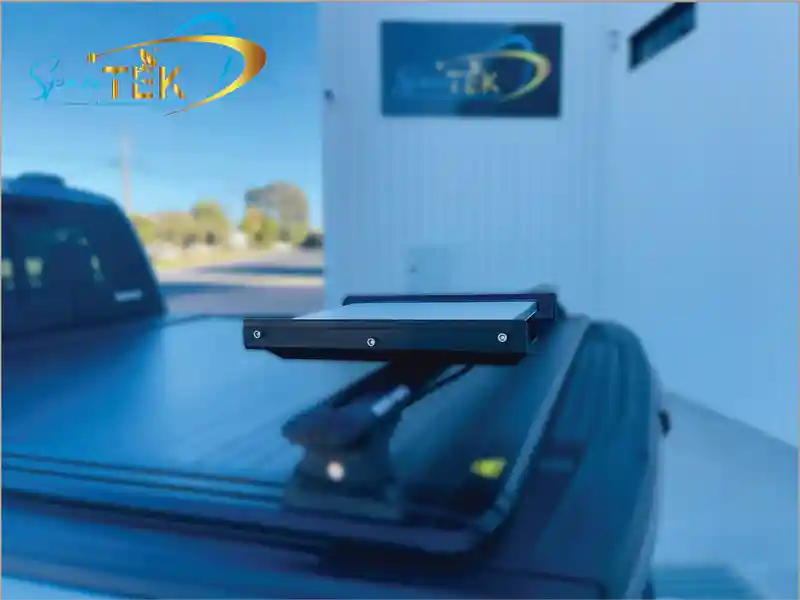
To match the performance of modern satellite systems, you need high-quality, rust-resistant mounts that can withstand Australia's harsh weather. SpaceTek Australia builds mounts from premium materials like marine-grade aluminium and lightweight carbon fibre to ensure your dish stays stable through sun, wind, and rain. Our range includes solutions for permanent installations on roofs and poles, as well as portable options for those on the move. All our mounting kits are designed for straightforward, DIY-friendly setup.
RV & Portability: Connectivity on the Move
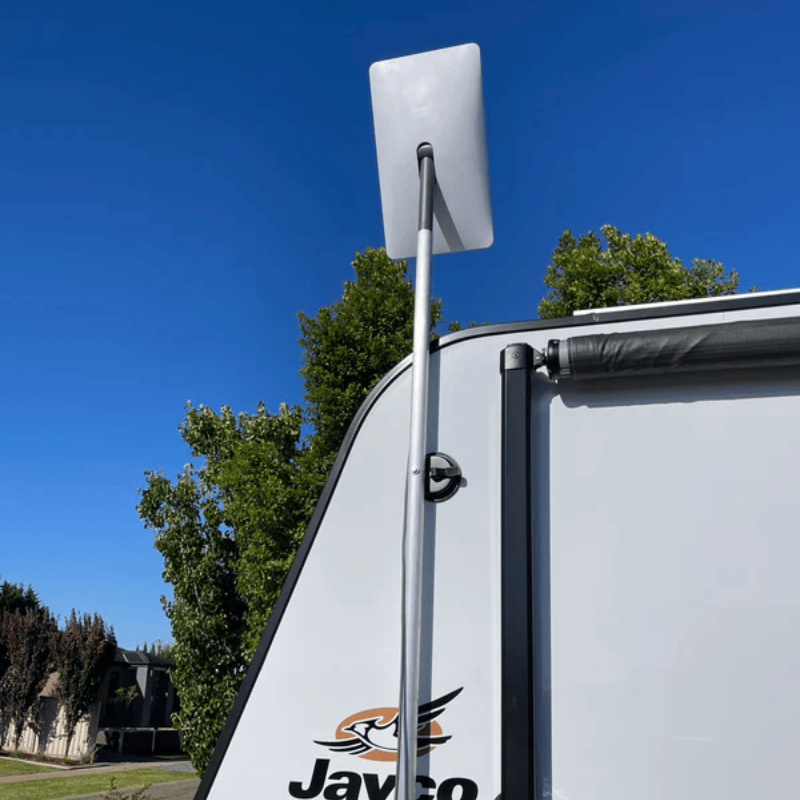
For adventurers, combining a satellite system with our portable mounting solutions offers ultimate freedom. Our RV and portability mounts are engineered for quick, secure installation on caravans, RVs, or 4WDs, ensuring your dish performs optimally wherever you park. A proper mount not only guarantees the high-speed connection you need for work or entertainment but also protects your valuable satellite equipment from damage during transit and setup.
If you're taking your connectivity mobile, get in touch with our team. We'll help you find the perfect mounting solution for your travel plans and satellite hardware.
Conclusion: Building a Resilient Remote Connection
In remote Australia, you no longer have to be disconnected. A solar powered wifi router or a solar-integrated satellite internet system can turn sunlight into reliable internet access, giving you the freedom to live and work where you choose.
While the technology is powerful, long-term success depends on getting the fundamentals right. Quality components are non-negotiable. A properly sized LiFePO4 battery system, effective weatherproofing, and a secure mount for your hardware are what separate a reliable connection from a frustrating one. This is especially true for satellite internet, where a stable dish is critical for performance.
With over 25 years of experience in remote communications, SpaceTek Australia understands what it takes to succeed in Australian conditions. Our high-quality, rust-resistant mounts are engineered from premium materials to withstand our harsh climate, ensuring your satellite dish remains secure and performs optimally for years. They are designed for easy, DIY-friendly installation, making a professional-grade setup achievable for everyone.
If you're planning a remote connectivity project, don't leave it to chance. We can help you steer power challenges and select the right hardware.
Contact us today for expert advice on building a resilient remote connection that's powered by the sun and built to last.

Leave a comment
This site is protected by hCaptcha and the hCaptcha Privacy Policy and Terms of Service apply.